%2Ffit-in%2F250x250%2Fguide_websites%2F2248%2Fimages%2F1747758468930logo1.jpg&w=1920&q=100)
Catch Smallmouth Bass Alma MI Guide
Smallmouth Bass Fishing in Alma - What to Expect
%2F%2Fusers%2F1e335ead-506b-40c5-837a-50a3b0b45506%2Fimages%2Fsmallmouth-bass-alma-michigan-fishing-2666.jpg&w=1920&q=75)
Guide Trip by Guide Daniel Nealy in July
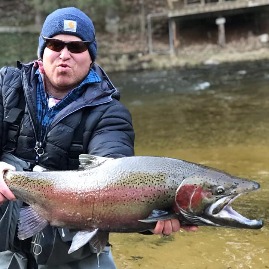
Meet your Guide Daniel Nealy
- Leave your world behind, relax, & enjoy the float!


Summary
Explore smallmouth bass fishing on a guide trip near Alma, MI, where the Muskegon River offers excellent opportunities for anglers of all levels. On Wednesday in July, experienced guides help you locate and catch smallmouth bass in this productive Michigan waterway, combining local expertise with proven fishing techniques.
Smallmouth Bass Fishing with Daniel Nealy - Rates & Booking
Guide Daniel Nealy of Fishing Buddies offers smallmouth bass fishing on Wednesday in July along the Muskegon River near Alma. This guide trip is designed for anglers looking to connect with one of Michigan's most aggressive and spirited freshwater species. Contact Fishing Buddies to inquire about current rates, availability, and booking options for your guided experience.
Fishing trips on the Muskegon River include access to proven fishing grounds where smallmouth bass are actively present throughout the season. Trips are tailored to match angler skill levels, whether you're refining your technique or experiencing smallmouth fishing for the first time. Reserve your spot with a trusted local guide to maximize your success on the water.
Highlights of Smallmouth Bass Fishing Near Alma
The Muskegon River is a premier destination for smallmouth bass, offering diverse habitat and consistent fishing opportunities. Anglers can expect active fish, scenic river views, and the thrill of fighting strong smallmouth that are known for their aggressive strikes and acrobatic jumps. Guide Daniel Nealy brings local knowledge of the river's structure, current patterns, and seasonal behavior that directly improves your catch rate.
This area combines productive fishing with the natural beauty of Michigan's waterways, making every trip both rewarding and memorable. Whether you're targeting fish near structure, in deeper pools, or along current breaks, your guide will position you for success while teaching you the fundamentals of smallmouth behavior and presentation techniques.
Local Species Insights: Smallmouth Bass
Smallmouth bass are ambush predators that thrive in the Muskegon River's rocky structures, current zones, and depth transitions. These fish typically inhabit areas with cover such as rocks, fallen timber, and underwater ledges where they can hunt smaller fish and crayfish. Understanding their habitat preferences is central to successful fishing.
Smallmouth bass rely heavily on their lateral line system to detect vibrations and movement in the water, which is why presentation techniques matter significantly. They respond well to natural-looking lures that mimic local forage fish and crustaceans. The Muskegon River's current and structure create ideal hunting grounds for smallmouth, particularly during early morning and late evening hours when they're most active.
These fish are known for their fighting ability and willingness to strike, making them excellent targets for both novice and experienced anglers. A quality guide helps you read water conditions, select appropriate lures, and develop presentation skills that lead to consistent success. The river's combination of depth, structure, and current makes it a textbook smallmouth habitat where proper technique and local knowledge produce results.
Temperature and water clarity significantly influence smallmouth behavior throughout the season. In summer, fish often move to deeper, cooler areas, while spring and fall see them more active in shallower zones. Your guide monitors these factors in real time, adjusting tactics to match current conditions and maximize your opportunities during your time on the water.
Plan Your Smallmouth Bass Fishing Day
A guide trip on the Muskegon River typically involves early-morning starts to capitalize on peak feeding periods when smallmouth are most aggressive. Your guide will have everything planned, from boat positioning to technique instruction, allowing you to focus on fishing and enjoying the experience. Bring comfortable clothing appropriate for river conditions, polarized sunglasses to spot fish, and be prepared for an active day of casting and retrieving.
The Muskegon River's ecosystem supports healthy smallmouth populations year-round, though peak periods offer the best combination of comfort and fish activity. Guide Daniel Nealy ensures you have the knowledge and positioning needed to succeed, whether this is your first guide trip or you're returning to test new techniques learned from previous outings.
Fishing in Muskegon River: Smallmouth Bass

Smallmouth Bass Overview
The Smallmouth Bass (Micropterus Dolomieu) is one of the most sought-after freshwater gamefish in North America, belonging to the Centrarchidae family within the order Perciformes. Known for their aggressive strikes, explosive fighting ability, and beautiful coloration, these bronze-backed beauties feature a distinctive dark green or black body adorned with vertical dark brown stripes that typically fade as the fish matures. With red or brown eyes and a compact, muscular frame, smallmouth bass are instantly recognizable to experienced and novice anglers alike. What makes this species particularly special is their intelligence and adaptability—they thrive in diverse freshwater environments from pristine mountain lakes to flowing rivers, making them accessible to outdoor enthusiasts in countless regions. Whether you're casting from a kayak on a peaceful lake or wading a rocky river, the smallmouth bass offers an unforgettable angling experience that keeps anglers coming back year after year.
Smallmouth Bass Habitat and Distribution
Smallmouth bass prefer clear waters with moderate temperatures and are most commonly found in lakes, rivers, and streams across North America. They have a strong preference for rocky and rubble bottoms, where they can find cover among boulders, crevices, and submerged structures. These fish are native to freshwater systems and have become established in countless lakes and river systems throughout the continent. They seek out areas with good water clarity and will migrate to deeper, cooler waters during the hot summer months when surface temperatures become uncomfortable. In winter, they move to deeper pools and drop-offs where they remain relatively inactive. The ideal habitat combines access to shallow spawning grounds in spring, abundant forage fish and crayfish populations, and structural elements like fallen trees, rock outcroppings, and underwater ledges where they can ambush prey and seek refuge from predators.
Smallmouth Bass Size and Weight
The average smallmouth bass ranges from 12 to 20 inches in length, though larger specimens can exceed 27 inches under ideal conditions. In terms of weight, most fish anglers encounter will weigh between 1 and 4 pounds, with females typically outweighing males of comparable length. Female smallmouth bass generally weigh three to six pounds when fully mature, while males average around two pounds. Bass found in nutrient-rich lakes tend to grow larger and heavier than their stream and pond cousins due to abundant food sources and optimal environmental conditions. A typical 18-inch smallmouth bass represents a solid catch, while anything exceeding 22 inches is considered a trophy fish worthy of celebration. On average, these fish live five to six years in the wild, though some individuals in protected waters have been documented living up to 15 years.
Smallmouth Bass Diet and Behavior
Smallmouth bass are opportunistic ambush predators that feed primarily on small fish, crayfish, and aquatic insects. Their hunting strategy involves hiding behind fallen trees, rocks, or other structural cover and waiting for unsuspecting prey to swim within striking distance. Once prey appears, they explode from their hiding spot with remarkable speed and aggression. Their diet shifts seasonally—in spring and early summer, they heavily target spawning baitfish and crayfish; in summer, they feed on whatever forage is most abundant; and in fall, they gorge themselves in preparation for winter's slower metabolism. Smallmouth bass are most active during low-light conditions, which is why dawn and dusk are considered prime fishing times. They are aggressive, territorial fish that will compete with other predators for available food and prime hunting locations. Their behavior is highly influenced by water temperature, light levels, barometric pressure, and seasonal reproductive cycles, making them fascinating subjects for study and rewarding targets for anglers who understand these patterns.
Smallmouth Bass Spawning and Seasonal Activity
Smallmouth bass enter their spawning phase during spring, typically from March through May when water temperatures rise between 59 and 64 degrees Fahrenheit. During this period, males construct shallow nests in lakes and rivers, often returning to the same spawning grounds year after year—typically building their nests within 150 yards of their previous year's location. These nests are circular depressions on rocky or sandy bottoms, and males aggressively guard them against intruders, making them particularly responsive to lures and baits during this season. After eggs hatch, males continue to protect the fry until they're large enough to fend for themselves. Following spawning, fish enter a recovery period before becoming active feeders again through summer and fall. As water temperatures cool in autumn, they feed heavily to build energy reserves for winter. During winter months in cold climates, smallmouth bass move to deep water and become relatively inactive, though they can still be caught by patient anglers targeting deeper structures with slower presentations.
Smallmouth Bass Techniques for Observation and Capture
Technique 1: Spinning Rod with Live Bait or Soft Plastics
For most anglers, a light to medium action spinning rod paired with 6 to 10 pound test line provides the perfect balance of sensitivity and power. Cast toward rocky structures, fallen trees, and shoreline cover where bass hide. Live minnows, plastic worms, jigs, and soft plastic creatures all produce excellent results. Fish early morning or late evening when smallmouth bass are most active in shallow water, and adjust your depth throughout the day—targeting shallow structure in morning and evening, and moving to deeper water during midday periods.
Technique 2: Fly Fishing
Fly-fishing for smallmouth bass has gained tremendous popularity due to their abundance and powerful fighting ability. Use a 6, 7, or 8 weight rod when casting into deeper water or dealing with wind. For shoreline accuracy and long-distance casting, an 8.5 to 9-foot rod is ideal. Streamers, poppers, and baitfish patterns are most effective. Fish around structure and drop-offs, and don't be afraid to make aggressive presentations—smallmouth bass respect a well-placed fly cast near cover.
Technique 3: Spinnerbaits and Topwater Lures
Spinnerbaits rigged weightless can hang on the water's surface and create enticing vibrations that attract bass from considerable distances. When fish are suspended in deeper summer water, switch to weighted vertical drop hooks. Topwater plugs and walking baits can trigger explosive strikes during low-light conditions. Around major lake systems and river basins, these highly visible lures consistently produce exciting surface strikes that keep anglers engaged and entertained.
Smallmouth Bass Culinary and Utilization Notes
Smallmouth bass are indeed good to eat and have become increasingly popular on restaurant menus and in home kitchens. The fillets are firm and white with a mild yet distinct flavor that adapts well to virtually any cooking method—grilling, frying, baking, or pan-searing all produce delicious results. The meat pairs excellently with diverse seasonings and accompaniments, from simple lemon butter to complex spice rubs. Nutritionally, smallmouth bass fillets are an excellent source of lean protein and omega-3 fatty acids, making them a healthy dietary choice. However, if you plan to keep and eat your catch, exercise caution and select fish from clean, unpolluted waters, as freshwater fish can accumulate contaminants from their environment. Always cook freshwater fish thoroughly to eliminate any potential parasites. When harvesting smallmouth bass for consumption, consider removing only what you'll use and following local regulations regarding size and quantity limits designed to maintain healthy fish populations.
Smallmouth Bass Frequently Asked Questions
Q: What is the best bait for catching smallmouth bass?
A: Smallmouth bass respond exceptionally well to a variety of baits and lures including live minnows, crayfish, plastic worms, jigs, spinnerbaits, crankbaits, and topwater plugs. The best choice depends on season, water conditions, and the specific habitat you're fishing. During spring spawning, males are particularly aggressive toward anything that resembles a potential threat to their nest. In summer, deeper presentations with weighted jigs work best, while fall and spring often reward anglers who use shallower, more visible lures that mimic natural forage.
Q: When is the best time to catch smallmouth bass?
A: Early morning from sunrise to mid-morning and late evening from mid-afternoon through dusk are prime times for smallmouth bass fishing. During these low-light periods, bass move into shallower water to feed actively. Spring and fall offer excellent fishing throughout daylight hours, while summer typically requires either very early morning or very late evening fishing as midday heat drives fish to deeper water. Winter can be challenging but still productive if you fish slowly in deep water near major drop-offs and structural elements.
Q: Where can I find smallmouth bass in my local area?
A: Smallmouth bass thrive in clear lakes and rivers throughout North America, particularly in regions with rocky or rubble bottoms. Search for them near rocky shorelines, around submerged boulders, along drop-offs, near fallen trees and brush piles, and in current breaks during river fishing. Local fishing reports, tackle shops, and online forums specific to your region can provide precise locations and recent success patterns. Many state fish and wildlife agencies also maintain websites with information about bass populations in specific water bodies.
Q: What rod and reel setup do you recommend for smallmouth bass?
A: A light to medium action spinning rod between 6 and 7 feet in length paired with a quality spinning reel spooled with 6 to 10 pound monofilament or braided line is ideal for most smallmouth bass situations. This setup provides excellent sensitivity for detecting strikes, enough power to handle larger fish and navigate structure, and sufficient accuracy for precision casting. Fly anglers should invest in a quality 6 to 8 weight fly rod matched with an appropriate reel and floating or intermediate line depending on water depth.
Q: Is smallmouth bass good to eat?
A: Yes, smallmouth bass are delicious and highly regarded as a food fish. The fillets are firm, white, and flavorful with a mild taste that appeals to most palates. They're excellent sources of lean protein and beneficial omega-3 fatty acids. Smallmouth bass can be prepared through grilling, frying, baking, pan-searing, or poaching. Always ensure the water you're fishing is clean and uncontaminated, and thoroughly cook all freshwater fish before consumption to ensure food safety.
Q: How do I distinguish a smallmouth bass from a largemouth bass?
A: Smallmouth bass have a horizontal stripe that runs through their eye and a mouth that doesn't extend beyond their eye when closed. Their bodies are generally more bronzed or copper-colored and more compact. Largemouth bass, by contrast, have a larger mouth that extends well past their eye, lack the clear horizontal stripe through the eye, and typically display more prominent vertical stripes and a greenish coloration. Smallmouth bass prefer clearer, rockier habitats while largemouth bass tolerate murkier water with more vegetation.